As dementia progresses, there may come a time when the level of support needed is greater than what can safely be provided at home. Everyday tasks can become more difficult, and many families begin looking for a setting that can offer the right balance of practical help and emotional reassurance.
In this blog, we will explore what dementia care involves and how it is delivered in a care home setting it can bring to both residents and their families.
Understanding Dementia Care
Dementia care focuses on providing the right support for a person living with cognitive impairments in a way that reflects their individual needs and preferences. Rather than taking a one-size-fits-all approach, good dementia care is person-centred and responsive. Since no two individuals experience dementia in the same way, person-centred care is particularly crucial in dementia care. A well-thought-out dementia care plan should encompass their life history and lifestyle preferences, as this enables carers and dementia care experts to deliver better care and support around the clock. Additionally, they make individuals feel understood, which boosts their general well-being and sense of self.
Recognising When a Dementia Care Home Is Needed
When daily living begins to feel unsafe or overwhelming, families should begin to start thinking about care homes. An individual who is living with dementia can struggle with day-to-day tasks like dressing or showering, forget to eat, forget to take medication, or even lose confidence in familiar surroundings, which can indicate a need for more assistance. Another common sign is increased risk of falls or hospital visits, as a care home can offer additional support around the clock to maintain safety. Behavioural and emotional shifts can also be an indicator that dementia care is needed. When their habits are disturbed, individuals who are living with dementia can feel more nervous or uneasy with a change in familiar routines.
Others could find it more difficult to handle social circumstances and start to feel isolated, avoiding friends and family or social groups they valued previously. Both the individual and those who care for them could experience a decline in their emotional health as a result of these changes. Another indicator is when family members and carers start to feel stretched. Even with good support networks, providing unpaid care can be physically and emotionally taxing for those who do so. Many family members spend time speaking with other professional carers, social services, or local care homes to better understand what kind of support may be most helpful.
The Role of Person-Centred Care
Dementia impacts more than just memory, which is why a person-centred care approach is important. Identity, confidence, communication skills, mental capacity and general well-being can all be impacted, and a person-centred approach ensures that the focus of care is on the resident as an individual rather than merely meeting their needs. As it considers all aspects of a resident's life and ensures they maintain their independence wherever possible, person-centred dementia care encourages better care outcomes.
Recognising residents' preferences, such as keeping to regular hobbies or daily routines, is the foundation of person-centred care. A feeling of understanding is just as necessary for many residents as any practical assistance. For families, it can be reassuring to know that their loved one is not simply being supported in a general sense, but is receiving care that has been thoughtfully tailored to them.
What Dementia Care Looks Like in a Care Home
In a care home setting, dementia care is shaped around creating a safe and familiar environment for residents to benefit from structured routines and providing support that is available 24 hours a day.
The highest levels of dementia support should be calm and personalised. The goal of dementia-friendly settings is to foster a feeling of security and comfort for residents to easily and confidently move around in their surroundings through the use of clear signs and consistent layouts. These settings also promote safe practices while limiting confusion. With tailored assistance, individuals living with dementia are able to participate more readily in everyday activities and enjoy a better quality of life in general.
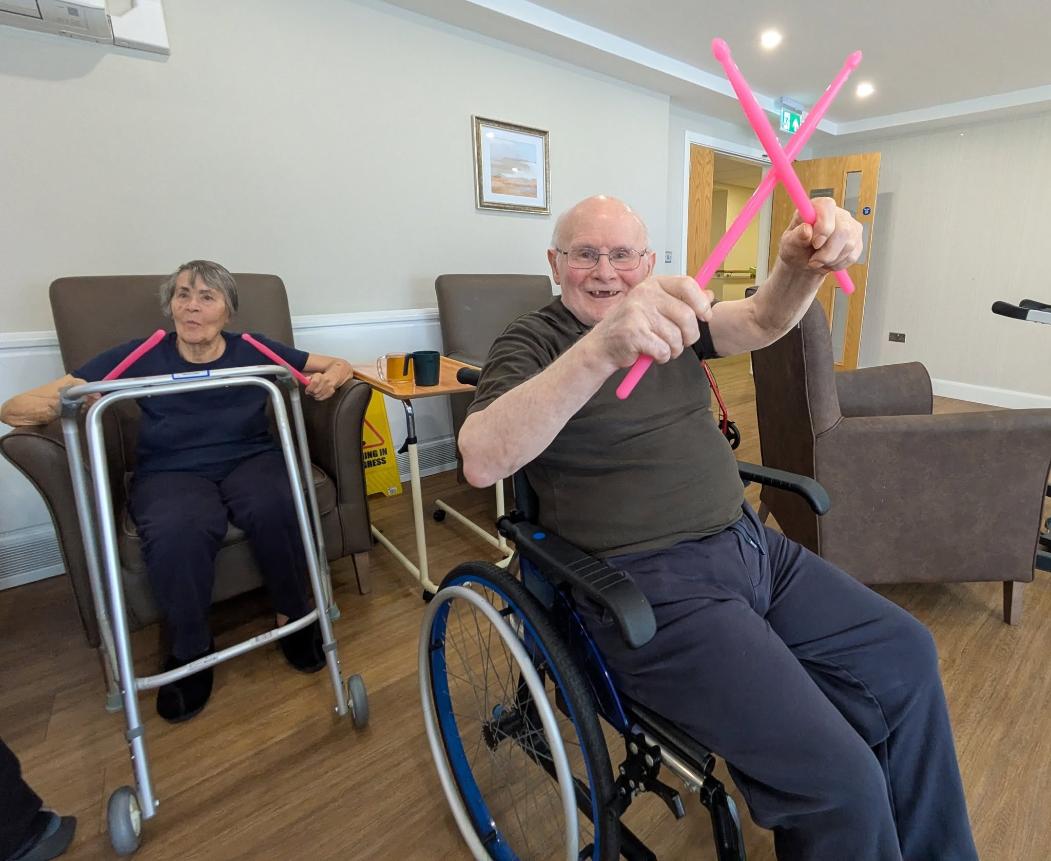
Engaging in meaningful, creative activities like arts & crafts is also crucial, as residents can feel more at ease by spending time with like-minded people, participating in simple social interactions, or enjoying music therapy. To help residents feel at home, care homes allow them to personalise their bedrooms with features that promote nostalgia or contribute to the creation of a comfortable space. From the minute they move in, others will support them in maintaining their cherished routines. Everything depends on each individual and what is most important to them.


Steps to Finding the Right Dementia Care Home
Choosing the right care home for both you and a loved one is a decision that requires research and patience, but the steps below can help you feel confident about making the right choice.
Arranging a Tour
Finding the ideal care home is a personal process that can require in-person visits to fully experience the environment and make an informed decision. You can see how residents and staff interact during a physical visit, which can provide you with important information about whether it's suitable for a loved one.
Speaking to the Team
As you take a tour of the home, enquire about their daily schedules, how they handle certain care needs and how they include families in decision-making. Having direct conversations with team members can allow you to determine their level of dementia support and expertise.
Observe the Atmosphere
A dementia-friendly care home will frequently offer spaces that are easy to use and calming to lessen anxiety and encourage residents' independence. Pay attention to the social environment by noting whether there are chances for meaningful social engagement and whether the residents appear at ease and involved. The best home should be one with a welcoming atmosphere and a staff that genuinely listens to and reassures its residents.

Compassionate Dementia Care at Windmill Lodge
For families looking for trusted care in Lytham St Annes, at Windmill Lodge Care Home we offer residential care, dementia care, nursing care and respite care in a warm and compassionate setting. Our staff offer individualised support that is tailored to each person's particular needs.
With a dedication to providing high-quality care and a wealth of experience for individuals living with dementia, we are pleased to provide a nurturing setting where residents can feel secure and well-cared for.
At Windmill Lodge Care Home in Lytham St Annes, we provide a purpose-built setting that enables residents to confidently and easily continue doing the activities they enjoy. In addition to our easily accessible living areas, we provide cosy living spaces, beautifully designed private gardens, a cafe, a cinema room, and much more. There is something to enjoy every day for all of our residents, regardless of their interests.
Whether that is offering an in-person tour, answering any questions you have, or simply providing support, we are here to make your care journey as smooth as possible. Contact us today to arrange a visit and see how we can provide the best quality of care for your loved one.